







Key takeaways
- Most business websites go live in 4–6 weeks. Online stores take 6–10 weeks.
- Content (words, photos, product data) is the most common cause of delay, not design or development.
- Weekly preview links keep feedback fast and avoid a big surprise at the end.
“How soon can we launch?” is usually the second question we hear, right after “how much?”. The honest answer depends on the type of site and how quickly content and feedback arrive. Here are the timelines we see in practice, and what moves them.
Typical timelines
| Type of website | Typical timeline |
|---|---|
| Company or brochure website | 4–6 weeks |
| Event or landing pages (RSVP, ticketing) | Often 4–6 weeks, planned back from the event date |
| E-commerce store | 6–10 weeks |
| Custom platform or web app | Scoped per project, usually months |
Where the time goes
- Discovery (about a week). Goals, audience, competitors and a sitemap of every page.
- Design (one to two weeks). Homepage and key templates first, then the rest of the pages in the same system.
- Build (two to three weeks). Development, CMS setup so your team can edit content, and integrations such as forms, booking or payments.
- Test and launch (about a week). Speed, mobile, forms, SEO basics, redirects from the old site, then go live.
What slows a launch down
- Content arriving late. Copy, photos and product data are the number one cause of delay. Start gathering them on day one.
- Too many reviewers. Agree on one decision-maker for feedback.
- Scope creep. New pages or features mid-build push everything back. Park them for phase two.
- Third parties. Payment gateways, domains and email changes depend on other companies’ response times.
“The fastest websites to launch are the ones whose content is ready before design starts.”
The Pineapple · web design team
How to launch faster
- Prepare a single shared folder of content before design starts.
- Launch the pages that matter most first and add the rest after go-live.
- Review weekly preview links instead of waiting for a full draft.
- Use a proven CMS such as WordPress so your team can edit content without a developer.
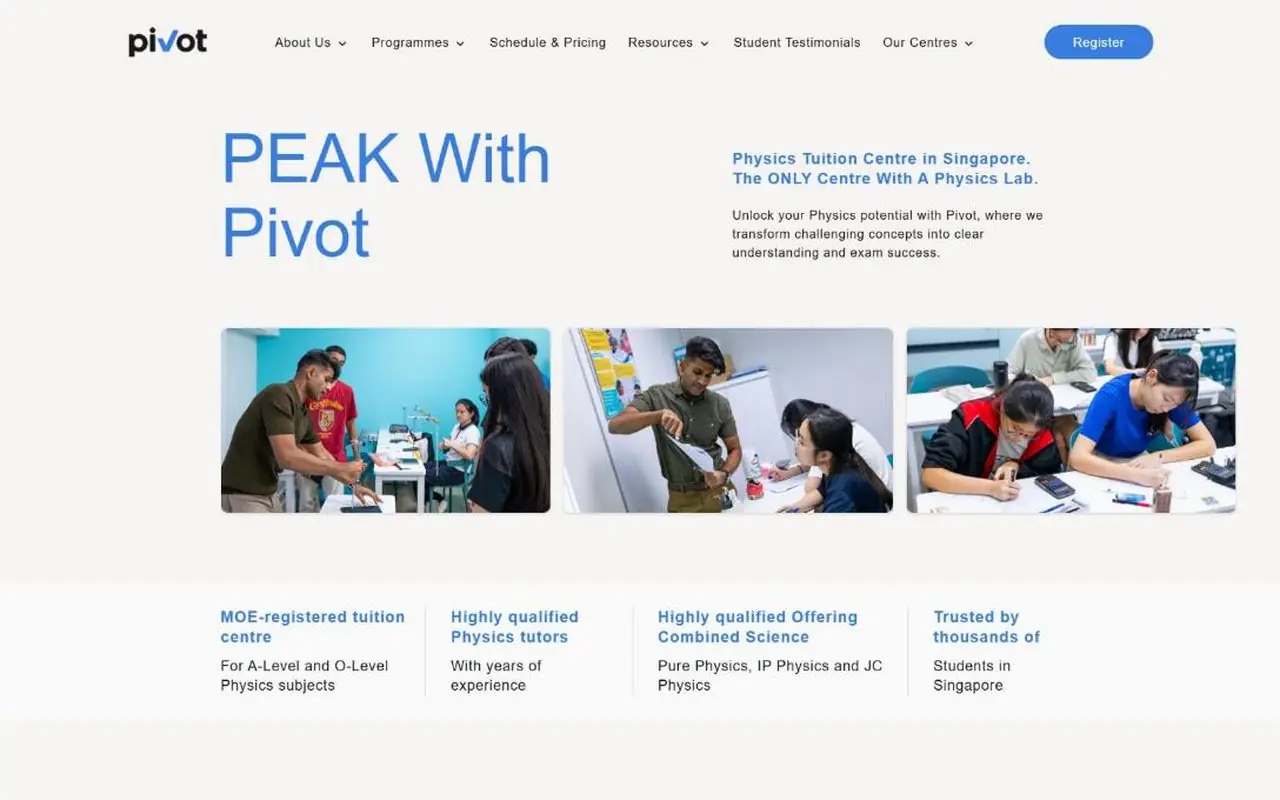
Pivot Physics, a Singapore physics tuition centre, launched with programmes, schedules, results and tutor videos, then kept growing the site after go-live.
Quick answers
The questions we hear most on this topic are answered in the FAQ below.

Written by
The Pineapple teamAn app development and web design studio in Singapore. Since 2021 we have launched 60+ apps, platforms and websites for events, education, retail and growing businesses, and we write about what we learn along the way.