






Key takeaways
- A simple app or MVP in Singapore typically costs S$15,000–20,000; enterprise applications run from S$250,000 to S$450,000 and beyond.
- Features, platforms and integrations drive most of the price.
- Launching an MVP first cuts upfront cost and risk.
App development cost in Singapore depends on what the app needs to do. A focused first version, an MVP, usually lands between S$15,000 and S$20,000. A large enterprise platform with many users, roles and integrations can run from S$250,000 to S$450,000 and beyond. This guide explains where those numbers come from, what moves them, and how to plan a budget that gets you to launch.
Average app development costs in Singapore
Most projects fall into one of three tiers. The table below shows typical ranges and timelines for each. Every app is different, so treat these as a starting point for a conversation, not a fixed price list.
| App type | Typical range | Timeline |
|---|---|---|
| Simple / MVP | S$15,000–20,000 | 3–4 months |
| Mid-complexity | Depends on scope | 4–6 months |
| Complex / enterprise | S$250,000–450,000+ | 6+ months |
What drives the cost up (or down)
Features and complexity
Every screen, user role and rule adds design, build and testing time. Logins, payments, chat, booking calendars and admin dashboards are the features that move a budget most.
iOS, Android or both
One platform costs less than two. Cross-platform frameworks let one codebase serve both stores, which is often the best value for a first launch. Native vs cross-platform, explained →
Integrations and back end
Connecting to payment gateways, CRMs, government APIs or your existing systems adds work on both ends. A custom back end and admin panel is often a third of the total build.
Cost by type of app
E-commerce and booking apps sit at the lower-middle of the range, because their building blocks are well understood. Learning platforms (LMS) and on-demand marketplaces cost more: they serve several user types at once and need real-time features. See how we approach each on our app development page.
Five ways to lower your budget
- Start with the one problem worth solving. Cut every feature that isn’t needed on day one.
- Use cross-platform where it fits. One codebase, two app stores.
- Prototype and test before you build. Changing a design costs far less than changing code.
- Reuse proven components. Logins, payments and notifications don’t need reinventing.
- Plan maintenance from day one. A care plan avoids expensive emergency fixes later.
Start with an MVP
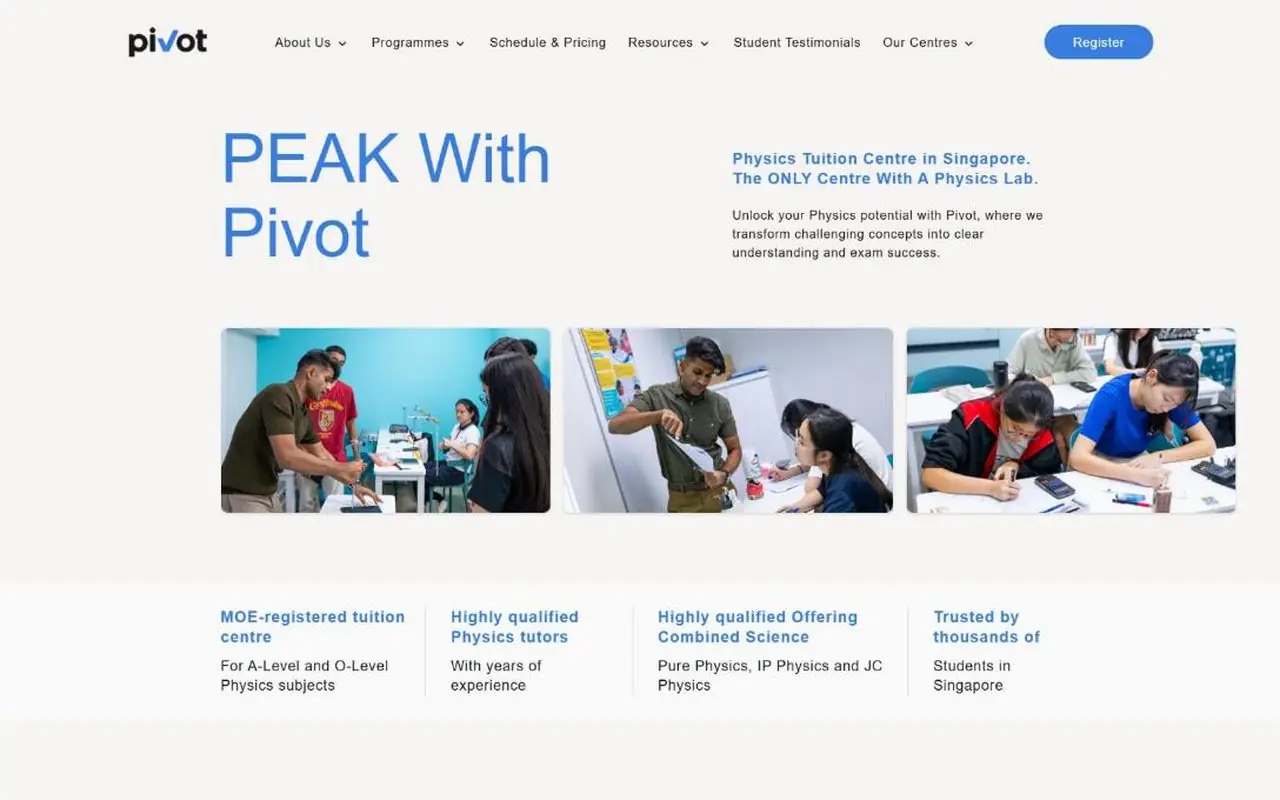
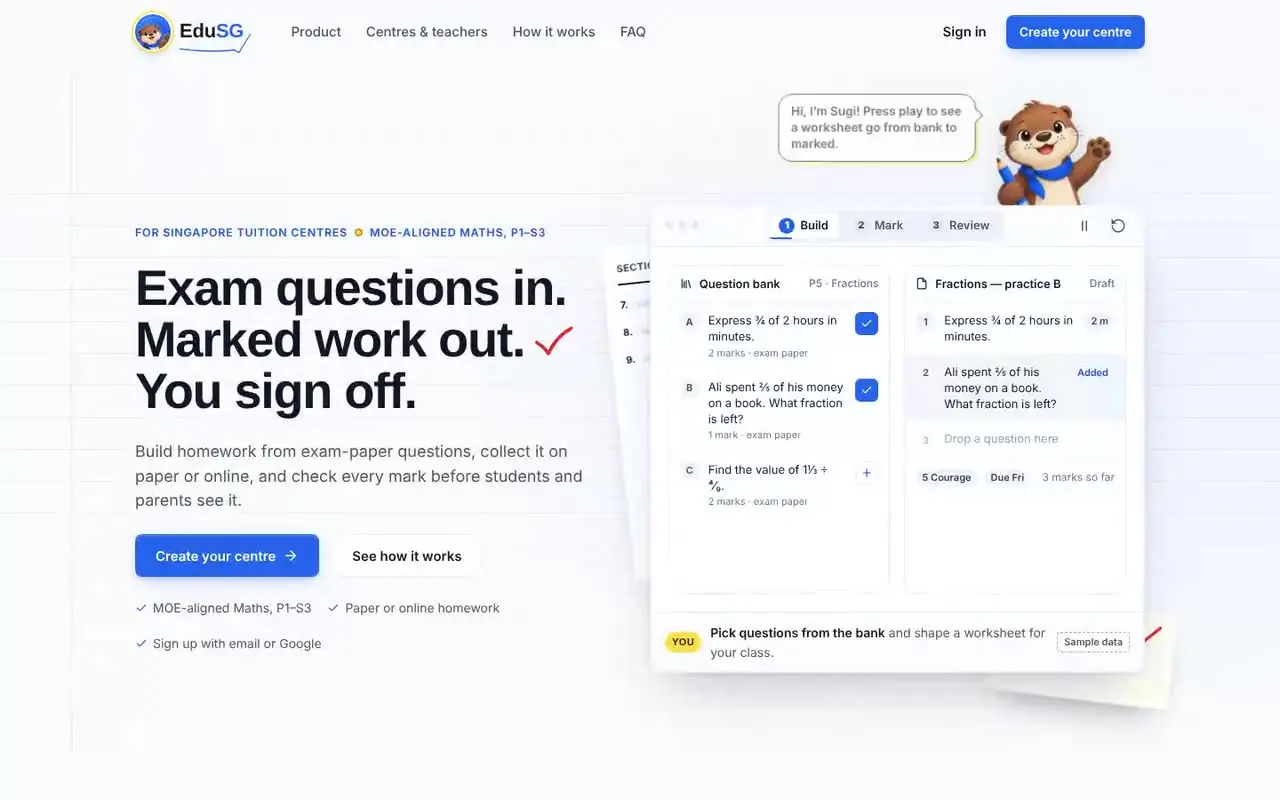
An MVP is the smallest version of your app that real users can try. It proves the idea, earns feedback and often pays for the next phase. EduSG started with worksheets and marking for one tuition centre before adding parent reports and multi-centre tools. See our recent launches →
“The cheapest feature is the one you didn’t build before users asked for it.”
The Pineapple · app development team
Quick answers
The most common questions we hear about app budgets are answered in the FAQ below.

Written by
The Pineapple teamAn app development and web design studio in Singapore. Since 2021 we have launched 60+ apps, platforms and websites for events, education, retail and growing businesses, and we write about what we learn along the way.